I have spent thirty years standing in rooms where I was not the most knowledgeable person, but that was never the job.
About Sheryl
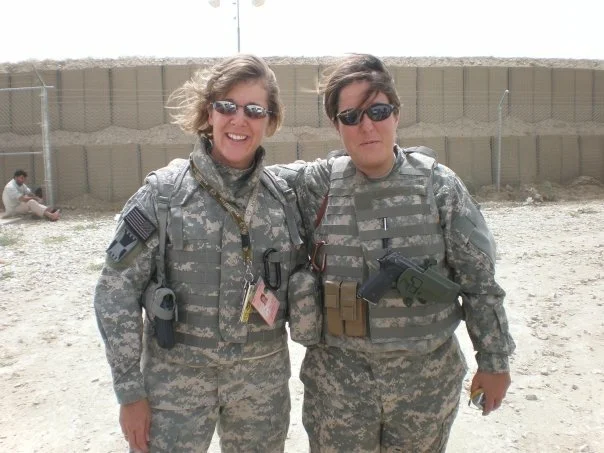
I was thirty-two years old, standing on bare ground in Karshi-Khanabad, Uzbekistan, in 2001, responsible for coordinating the competing land requirements of the Army, the Air Force and the Marines on a base that had to go from nothing to fully operational in a few months.
In front of me was an Air Force officer who knew exactly what a runway approach required, a Marine engineer who knew exactly how fuel infrastructure had to route, and an Army colonel with his own set of non-negotiables. All of them legitimate. All of them incompatible.
That base got built — not because I out-argued three experts, but because I figured out what ground was actually contested, what the real deadline was, and who had to be in a room together to resolve it. Then I ran that process the same disciplined way every single time until those officers stopped fighting me and started using me. I've been testing that idea ever since, in about as many environments as one career allows.
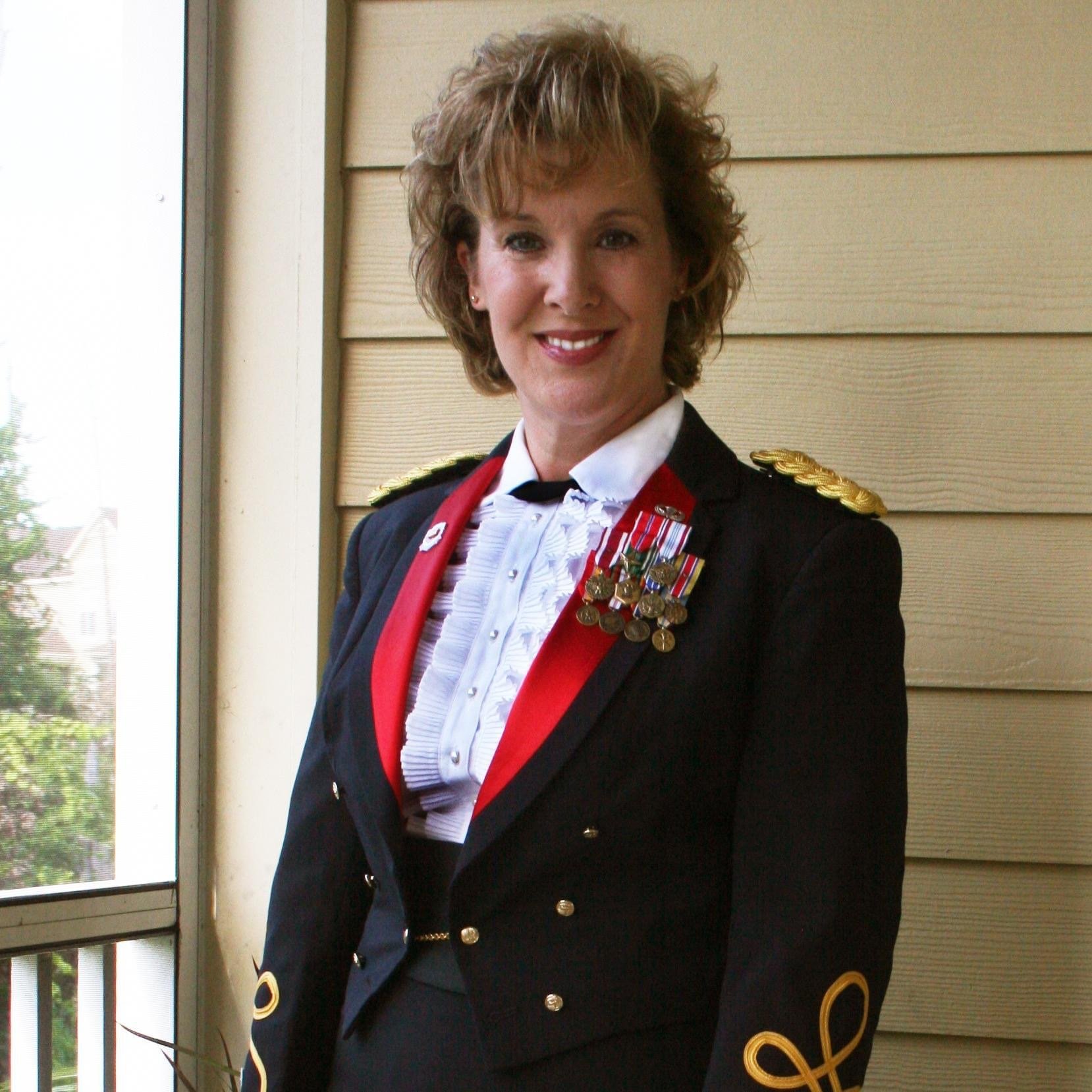
Thirty years in the U.S. Army and Army Reserve, retiring as a Colonel, with three combat deployments — Uzbekistan, Qatar, and Afghanistan, where I served as country lead for the National Geospatial-Intelligence Agency supporting a thirty-seven-nation coalition. A Bronze Star and a Defense Meritorious Service Medal.
Then disaster response, running temporary housing and mass care for three FEMA regions, including construction of housing in American Samoa after the 2009 tsunami. Then defense contracting: a $200 million Marine Corps contract, eighty staff, thirty-two delivery orders across six bases, and later Navy training simulator programs supporting nine ports worldwide. Then corporate — the three largest internal projects at a Fortune Global 500 insurer, and national-level HCM implementations.
In between those chapters is the part I talk about on stage, because it's the part that changed what I understand about leadership. A contract in Orlando that I was recruited and relocated to rescue, with everyone's confidence and none of the decision rights, that gave me a heart attack at forty-nine years old with no risk factors and no family history. It took years to rebuild from that. What I got in return was a framework.
Today I run the first ambulatory project management office at a major academic medical center — a function that did not exist until I built it, in a clinical environment where I hold no clinical authority whatsoever, recognized as the premier PMO in the health system.
I'm a PMP, certified since 2012. I hold an MBA from the University of Alaska Fairbanks and a degree in management science from SUNY Oswego.
Biographies for program books and introductions
25-WORD VERSION
Sheryl Rafferty is a retired Army Colonel, PMP, and founding PMO director who speaks on the gap between the responsibility organizations assign and the authority they actually grant.
75-WORD VERSION
Sheryl A. Rafferty, PMP, spent thirty years in the U.S. Army and Army Reserve, including three combat deployments, before leading a $200 million Marine Corps contract and Navy simulator programs in defense contracting. She now runs the first ambulatory project management office at a major academic medical center. Following a heart attack caused by a role she was trusted to fix but never empowered to change, she developed the Authority Audit — a ninety-second diagnostic for responsibility without authority.
150-WORD VERSION
Sheryl A. Rafferty, PMP, has spent her career holding structure together in rooms where she was not the technical expert. Over thirty years in the U.S. Army and Army Reserve she deployed three times — to Uzbekistan, Qatar, and Afghanistan, where she served as country lead for the National Geospatial-Intelligence Agency in support of a thirty-seven-nation coalition. She retired as a Colonel with a Bronze Star and a Defense Meritorious Service Medal.
In the civilian sector she ran disaster housing for three FEMA regions, managed a $200 million Marine Corps contract spanning six bases, and led Navy training simulator programs supporting nine ports worldwide. She holds an MBA and has been PMP certified since 2012.
Today she leads the first ambulatory PMO at a major academic medical center — a function she built from nothing — and speaks internationally on the Authority Audit, the diagnostic she developed after a healthy body gave out under an impossible assignment.
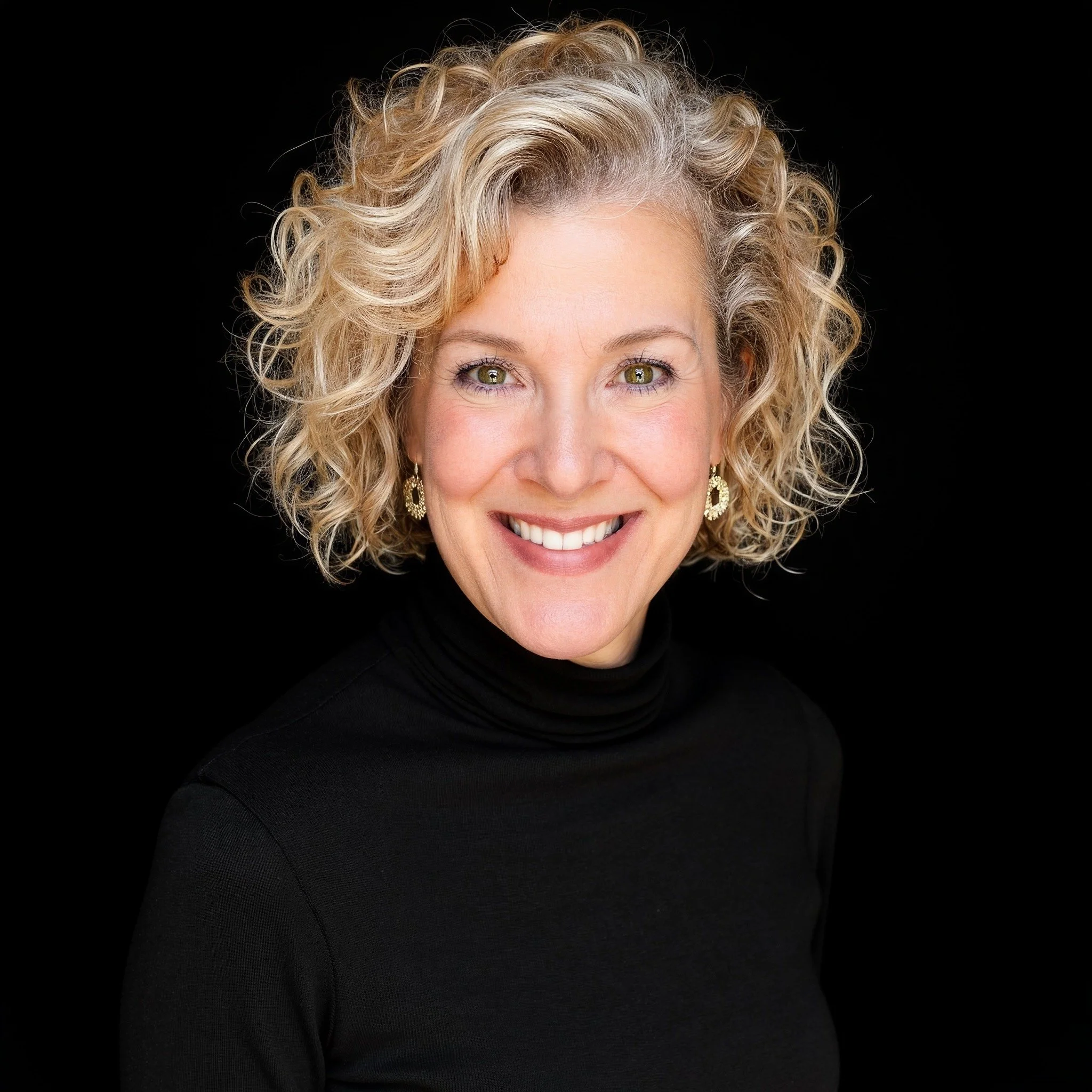
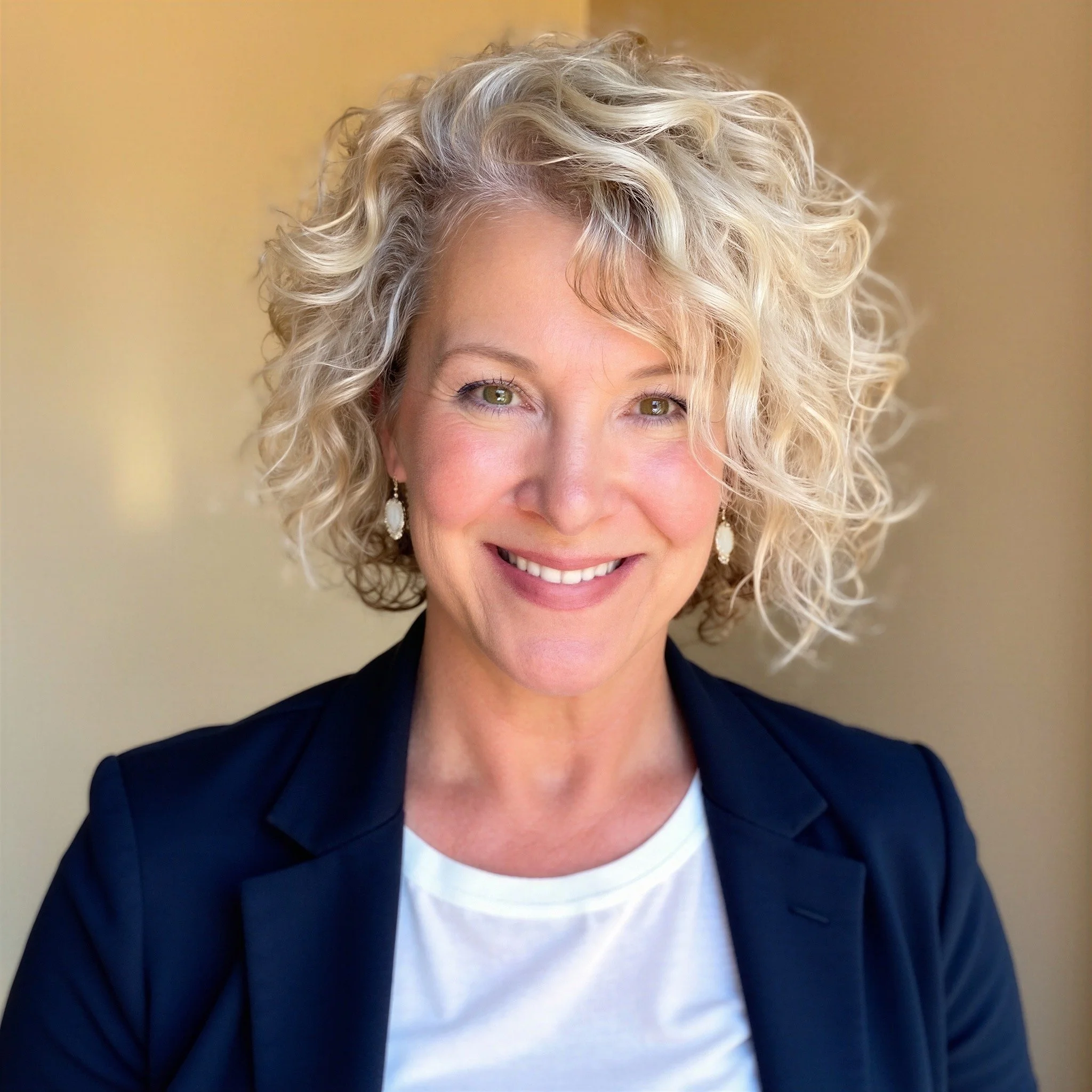
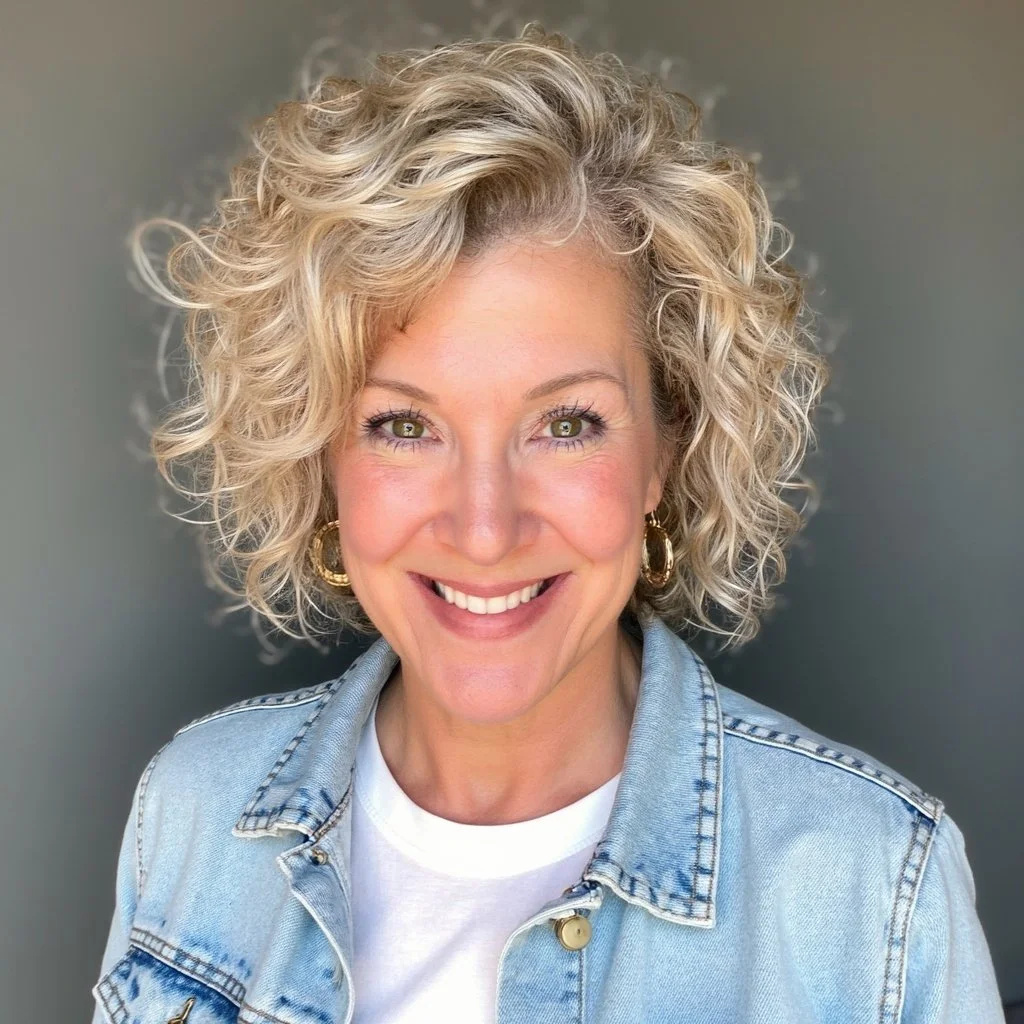
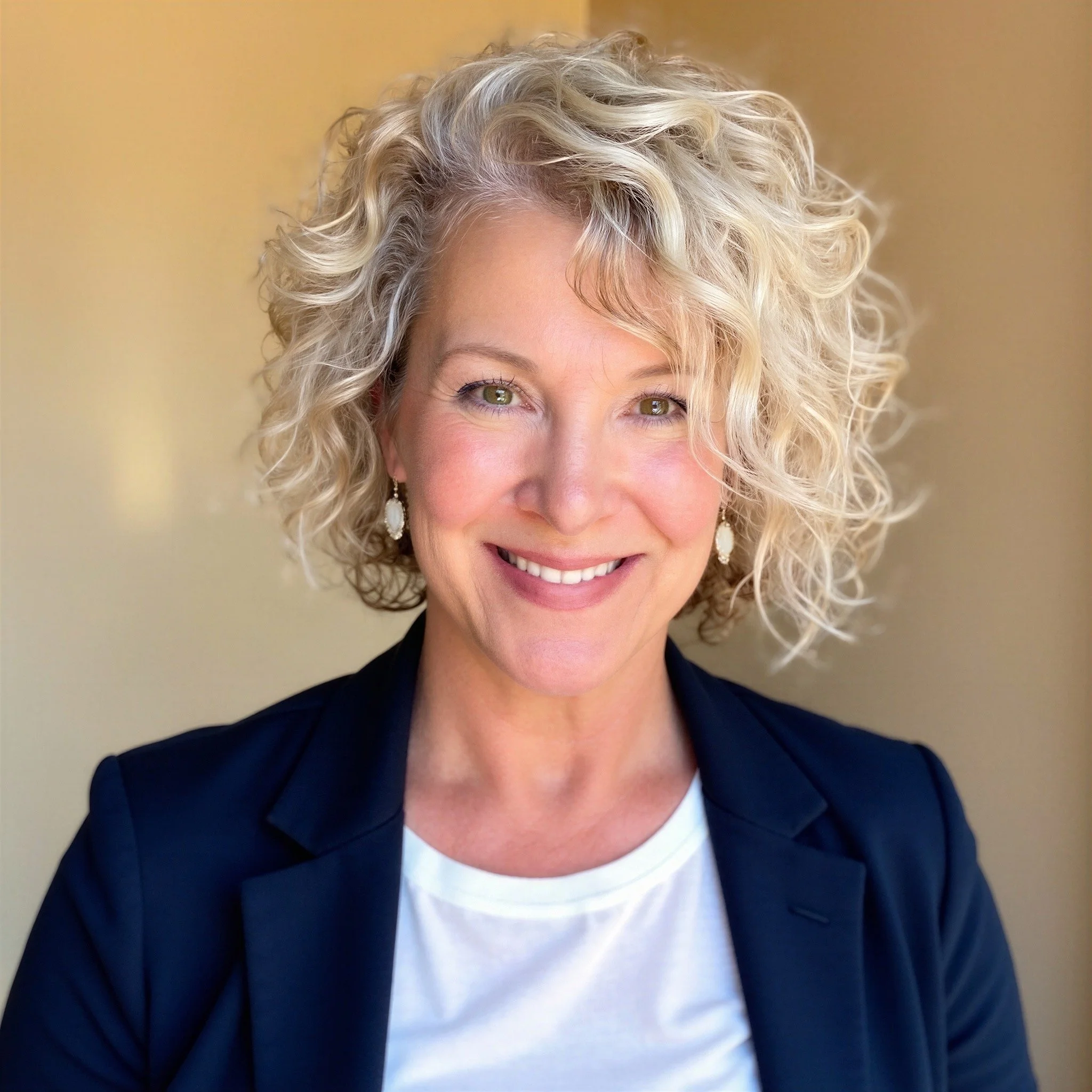
Headshots may be downloaded